How to Choose the Right Mattress: A Practical Guide for Every Sleep Style
Deciding on a mattress can be overwhelming. This guide breaks down mattress types, firmness scales, and key features to help you pick a bed that matches your sleep position, weight, and comfort preferences.
In the realm of sleep, the mattress is your primary instrument. A well-chosen mattress doesn’t just cushion your body; it aligns your spine, regulates temperature, and supports a restorative night’s rest. This article, written in the clear-eyed, long-form style reminiscent of Time magazine, distills the science, the options, and the trade-offs to help you navigate the market with confidence.
1) Mattress Types: What You Sleep On Matters
The modern mattress landscape can feel like a tech showroom. Yet beneath the marketing, three primary families dominate most bedrooms: memory foam, latex, and innerspring (coil) systems. Hybrid models—combinations of these—try to borrow the best of multiple worlds. Your choice should reflect sleeping position, body weight, and temperature preferences.
Memory foam mattresses conform to the body, distributing weight evenly and minimizing pressure points. They excel for people who sleep on their side or have joint discomfort. A common caveat is heat retention, though modern cooling foams and gel-infused variants address this challenge.
Latex mattresses offer a more buoyant feel and tend to be cooler than traditional memory foams. They also have excellent durability and tend to be more responsive, which some sleepers favor for ease of movement and spinal alignment.
Innerspring mattresses rely on coils for support and typically provide a traditional, bouncy feel with strong edge support. They come in various constructions—and often with pillow tops or comfort layers—to tailor firmness and contouring.
Hybrids fuse the best of both worlds: coils for support and foams or latex for contouring and pressure relief. They aim to balance airflow and temperature control with a nuanced feel.
Each category offers a spectrum. It’s not just about brand names or buzzwords; it’s about understanding where your comfort, posture, and temperature preferences intersect.
2) Firmness: Reading the Scale Without Getting Lost
Firmness is a subjective measure tied to your body weight, sleep position, and personal comfort. Most manufacturers label firmness on a 1–10 scale, but remember that the same number can feel different across brands.
The goal is neutral alignment. A mattress should keep your spine in a natural, straight line from neck to pelvis, with weight distributed evenly. If you wake with lower back pain or stiffness, your mattress may be too firm or too soft for your body type and sleep style.
Sleep position matters:
- Side sleepers often benefit from a slightly softer surface to cradle shoulders and hips, reducing pressure points.
- Back sleepers commonly prefer medium-firm to firm support to maintain spinal alignment.
- Stomach sleepers tend to need firmer support to prevent the midsection from sagging and distorting posture.
Weight adds another layer of nuance. Lighter individuals may experience a mattress as firmer, while heavier sleepers might find the same model inadequate support. In mixed-weight couples, a mid-range firmness often minimizes fatigue on either partner during the night.
3) Key Features to Consider: Foundations, Foams, and Fabrics
Beyond the core mattress, several features influence comfort, durability, and long-term performance. Here are the essentials:
- Support core: In memory foam and latex models, the core is the foam layer or latex layer that defines the feel. In hybrids and innersprings, coil systems (knit-count, gauge, and design) determine support and motion isolation.
- Foam density and type: Higher-density foams generally yield longer-lasting support and less sag. Look for open-cell constructions to improve breathability and cooling.
- Edge support: Steel coils or reinforced foam around the perimeter prevent sagging when sitting or sleeping near the edge, increasing usable surface area.
- Temperature regulation: Gel-infused foams, graphite, copper, or breathable cover fabrics can help dissipate heat. If you sleep hot, prioritize cooling tech and breathable materials.
- Motion isolation: For couples, the ability of a mattress to limit motion transfer is critical. Memory foam and latex typically excel here, though modern coil systems with advanced encasement can offer strong performance as well.
- Durability and warranty: Look for warranties that reflect expected life. A longer warranty often signals confidence in the product’s durability. Be mindful of return policies and trial periods to ensure compatibility with your sleep style.
Foundations and bases matter too. A sturdy bed frame or platform can influence the mattress’s longevity and feel. Pairing a mattress with a supportive foundation ensures alignment and reduces unwanted shifting during the night.
4) Sleep Style Profiles: Matching the Mattress to You
We present three archetypal sleep profiles. Each profile pairs a mattress type with firmness ranges and practical considerations. While real people may blend features, these profiles offer a practical lens to compare options.
Profile 1: The Side Sleeper with a Preference for Plush Comfort
If you sleep on your side, your hips and shoulders bear heavier pressure. A mattress with a softer surface can cushion these points while still supporting your spine. A memory foam model with medium-soft to soft feel or a latex hybrid with gentle contouring can be ideal. Temperature management remains essential, so prioritize breathable covers and cooling foams.
Profile 2: The Back Sleeper Who Seeks Neutral Alignment
For back sleepers, the aim is a balanced surface that maintains spinal alignment without excessive pressure on the lumbar region. A medium-firm memory foam or latex model, or a hybrid with a supportive coil core and a thin comfort layer, often fits well. Edge support matters if you share the bed with a partner and want a spacious sleeping surface.
Profile 3: The Stomach Sleeper Needing Firm, Even Support
Front sleepers typically require firmer support to prevent the midsection from bowing. A firmer memory foam, dense latex, or a hybrid with a robust coil system can help maintain alignment. Temperature regulation remains important, as firmer surfaces can impact airflow; choose models designed for breathability.
5) A Practical Decision-Making Process
The best mattress for you is the one that consistently delivers restful sleep over time. A practical approach combines an understanding of mattress types, your sleep position, and how you respond to different firmness levels. Here’s a concise checklist to guide your decision:
- Assess your sleep position and any chronic pain or discomfort you experience during the night.
- Decide on a target firmness range based on your weight and sleep style.
- Consider temperature regulation and whether you sleep hot or cool.
- Review trial periods and return policies so you can trial the mattress in your own environment.
- Pair the mattress with a compatible foundation and the right pillow to optimize spinal alignment.
A well-chosen mattress from reputable brands often pairs with a set of high-quality sheets and a thoughtfully selected pillow. In the world of bedding, the mattress is not an isolated choice; it anchors a holistic approach to better sleep. You might also consider complementary pieces such as a platform bed or a minimalist headboard that echoes your aesthetic, while keeping the bed’s posture and support optimal.
6) The Greenwich Bedding Touch: A Time-Honored, Practical Aesthetic
While this guide focuses on universal sleep needs, the Greenwich Bedding mindset offers a subtle nod to a classic, enduring approach: clean lines, durable materials, and a calm palette that invites calm and rest. The idea is to create a sleep sanctuary that feels timeless, much like the storied design ethic associated with Greenwich’s maritime heritage. The right mattress paired with well-chosen bedding can transform a room into a retreat, echoing the quiet confidence of a well-made bed.
7) The Three Time-Period Thought Leaders of Sleep Philosophy
Across eras, three distinct voices illuminate the path to sound slumber. Each provides a different lens on what makes a mattress—and a bedroom—sing with restorative power.
-
Ancient to Early Modern Thinker – An early advocate for alignment and posture in daily rest. This figure argued that sleep is not a passive state but a restorative process shaped by the body’s geometry. Their perspective emphasizes support, contouring, and the role of the bed’s platform in maintaining spinal health.
-
Industrial Age Practitioner – A pragmatist who framed sleep as a daily investment in productivity. This voice champions durability, performance fibers, and consistent comfort, underscoring that a bed must endure years of use without compromising support or hygiene.
-
Contemporary Sleep Scientist – A modern analyst who foregrounds evidence-based guidance. This thinker advocates for data-informed choices, temperature regulation, and ergonomics—balancing subjective comfort with physiological science.
While these archetypes span time, they converge on a shared truth: a good night’s sleep begins with a foundation that keeps the spine aligned, distributes pressure evenly, and respects the rhythms of the body.
8) Product Spotlight: Vergennes Platform Bed as a Complement to Your Sleep Ritual
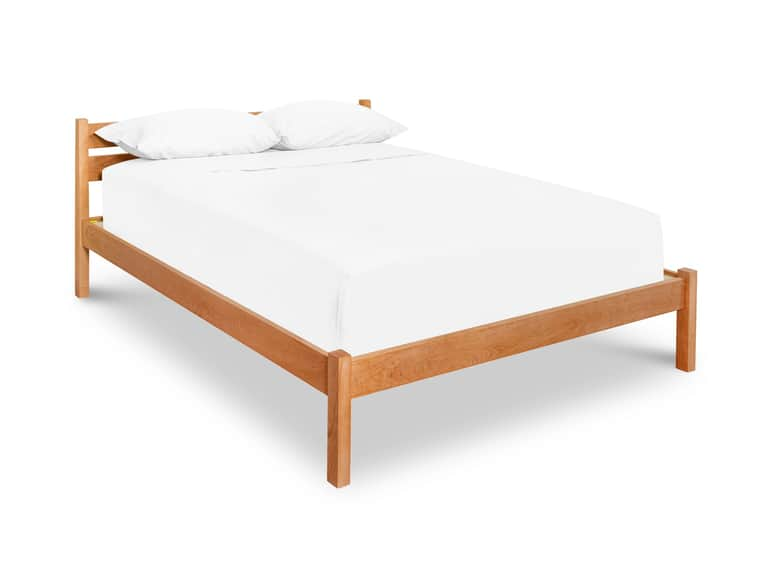
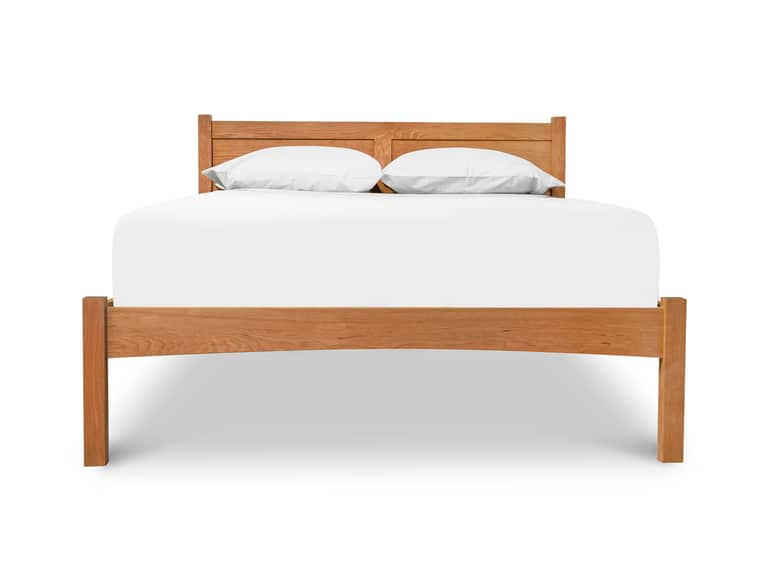
A striking example of the lasting, handcrafted approach that can anchor a bedroom's aesthetic is the Vergennes Platform Bed. Made in Vermont from solid hardwoods—Cherry, Maple, or Walnut—the bed offers a platform foundation with an eco-friendly hand-rubbed oil finish that highlights grain and longevity. It’s built to order, a deliberate nod to bespoke craftsmanship, and pairs well with a mattress chosen for optimal spinal alignment and comfort.
Vergennes Platform Bed
Materials: Solid Cherry, Maple, or Walnut | Finish: Eco-friendly hand-rubbed oil | Origin: Vermont, USA
Product image gallery placeholder
Price
$1635.00
$1635.00
The Vergennes bed embodies the idea that a frame anchors the bedroom’s mood. It doesn’t replace the need for a comfortable, supportive mattress, but it does complete the narrative: a platform bed that blends timeless materials with a quiet, modern silhouette—an ideal companion to a sleep system engineered for your sleep style.
9) A Starter Content Plan for Greenwich Bedding
If you’re launching a site focused on sleep health and bedding care, here are ten article ideas with brief outlines. These can form the backbone of an initial editorial calendar.
- How to Align Your Pillow with Your Sleep Position – A practical overview of pillow geometry, loft, and how to choose a pillow that complements your mattress and preferred sleep posture.
- Memory Foam vs. Latex: What Matters Most for Temperature Regulation – An evidence-based comparison of cooling properties and material feel.
- Mattress Durability 101: What Fills and Constructions Stand the Test of Time – A guide to understanding density, coil counts, and longevity signals.
- How to Test a Mattress in a Store: A Buyer's Checklist – A step-by-step method to evaluate support, bounce, and pressure relief during a trial.
- The Sleep Positions and the Ideal Mattress Firmness – A practical pairing guide by position, weight, and comfort preference.
- Care Calendar for Bedding: 12 Months of Maintenance – Seasonal tips to preserve fabrics, loft, and cleanliness.
- Understanding Certifications: OEKO-TEX, GOTS, and More – A simple explainer of what these labels mean and how they affect your choices.
- Bedroom Setup for Better Sleep – How lighting, temperature, and noise affect sleep quality, with practical design ideas.
- How to Pair a Mattress with a Platform Bed – A design and performance guide for sleep foundations.
- The Myth of the ‘Perfect Mattress’ – A myth-busting piece addressing consumer expectations and product reality.
If you’d like, we can tailor a site map, a product guide, and a content calendar aligned to your target audience and brand voice.
Published: 2026-09-28
Keywords: mattress buying guide, best mattress by sleep position, firmness levels, memory foam vs innerspring, sleep quality, Downtown Company mattresses