Bedding · Pillow Guide
Inside The Clean Bedroom Down Pillow: Loft, Fill, and Care
A down pillow’s comfort depends on more than softness. Its fill, loft, shell, and response under pressure all shape the support you feel through the night. Understanding those details can help you decide whether The Clean Bedroom down pillow—and down pillows more broadly—suits the way you sleep.
A pillow is one of the smallest things in a bedroom and one of the most personal. It sits between the head and the mattress, quietly influencing how the neck and shoulders settle. A pillow that feels cloudlike in the hand may flatten too far under the head; one that seems substantial on the bed may hold the neck at an uncomfortable angle. The right choice is less about a universal definition of softness than about how a pillow responds to a particular sleeper.
The Clean Bedroom down pillow is described as a combination of responsibly sourced, double-washed down and a down-proof organic cotton shell. Its fill feels light and lofty before use, then compresses gently under the head. That yielding quality is central to down’s appeal. It can create a soft, cushioned feel without the dense sensation of some firmer fills—but it also means the pillow’s support depends on how much it compresses and how readily it regains its shape.
To assess a down pillow, consider three connected questions: what is inside, how high does it sit under your head, and what happens after hours of pressure? Care matters, too. Washing and drying affect cleanliness, loft, and the way fill moves within its shell. The label and the manufacturer’s instructions are more useful than assumptions about what “natural,” “luxury,” or “easy care” should mean.
What makes a down pillow feel different?
Down is the soft, fine plumage found beneath a bird’s outer feathers. Unlike a feather, which has a visible central shaft, down consists of delicate clusters that trap air. In bedding, those clusters are prized for their low weight and loft: they can create a full-looking pillow without the heavy, compact feel associated with some denser materials.
That description is a starting point, not a guarantee of a particular level of support. A pillow’s feel is shaped by its fill composition, the quantity of fill, the pillow’s dimensions, the shell, and how the fill is distributed. The product description for The Clean Bedroom pillow identifies down fill, a down-proof organic cotton shell, and a soft support profile. It does not specify a fill-power rating or a precise firmness scale, so those details should not be inferred.
Down is often chosen for its gentle, moldable feel. A sleeper can shift or fluff it, and the clusters can settle into the space around the head. But moldability can also mean that the pillow loses height under pressure. Someone seeking a consistently firm platform may find that softness insufficient, while another person may value the way a lofty pillow compresses rather than pushing firmly against the face or neck.
The most useful test is not whether a pillow feels luxurious in a store or looks lofty on a bed. It is whether it holds a comfortable position once the head is resting on it. A pillow should not be judged by its uncompressed height alone. Its behavior under the weight of the head is the practical measure.
Loft: the height that changes with pressure
Loft describes a pillow’s height, especially the height it maintains when in use. A tall pillow on a shelf may become a low pillow under pressure. With down, the fill compresses and shifts, so the apparent loft before sleep is only one part of the picture. What matters is the relationship between the pillow’s starting height and the height left beneath the head.
That relationship is individual. Shoulder width, body shape, mattress softness, sleeping position, and personal comfort all affect the space a pillow needs to fill. The aim is generally to keep the head and neck in a relaxed, neutral position rather than sharply tilted upward or allowed to drop too far toward the mattress. A pillow cannot correct every cause of discomfort, but its height and responsiveness can make the sleeping surface feel more or less settled.
- Side sleepers often need enough effective height to fill the space between the ear and the mattress, though the ideal amount varies with shoulder breadth and mattress give. A very soft pillow that compresses substantially may feel too low.
- Back sleepers may prefer a moderate profile that cushions the head without pushing it forward. A pillow that is too high or too firm can feel intrusive, while one that collapses may offer little perceived support.
- Stomach sleepers commonly seek a lower, softer surface to avoid excessive head elevation. A lofty pillow may be uncomfortable, even if it feels appealing when first fluffed.
These are broad considerations, not rules. People change positions during the night, and individual comfort can differ even among sleepers who share the same preferred position. If possible, evaluate a pillow over more than a brief touch: lie in your usual position, notice whether you need to bunch or fold it, and consider how it feels after the fill settles.
A practical home check is to pay attention to repeated adjustments. If you routinely fold the pillow, push fill toward one edge, or slide a hand beneath it to raise your head, its effective loft may not be working for you. That observation does not diagnose a sleep or posture problem; it simply offers useful feedback about the pillow’s fit.
Fill, sourcing, and what a product description tells you
“Down pillow” identifies a broad material category. It does not by itself describe how lofty, resilient, or firm a particular pillow will feel. For a more informed comparison, look for details about fill composition and amount, shell fabric, construction, care, and sourcing. Where a label provides a fill-power figure or a defined firmness level, treat it as one piece of information rather than a complete prediction of comfort.
The Clean Bedroom pillow’s listed details include responsibly sourced, double-washed down, a down-proof organic cotton shell, and a light, lofty feel that gently compresses. The sourcing description and washing information offer context about the fill, while the shell construction explains how the pillow is designed to contain it. The description does not provide a numerical firmness rating, so the pillow is best understood through its stated soft-support character rather than an invented scale.
A down-proof shell is made to help keep the fill inside. Its weave and construction matter because escaping clusters can reduce fill over time and create a maintenance problem. Organic cotton describes the shell’s fiber sourcing or production claim; it does not mean the pillow requires no care or that every sleeper will find it suitable. People with sensitivities should review the complete product information and consider their own experience with the materials.
Responsible sourcing is also a distinct consideration from comfort. A sourcing statement can help shoppers understand the supplier’s stated approach, but it should not be confused with a precise measurement of loft or firmness. Similarly, double-washed describes a processing step; it is not a substitute for following the pillow’s care directions after purchase.
When comparing options, separate the questions rather than relying on a single attractive phrase. Is the fill natural or synthetic? Is its amount or construction explained? What is the shell made from? How does the maker describe the pillow’s feel? Can it be washed at home, and how must it be dried? Clear answers make it easier to weigh a pillow against your own priorities.
Down, alternatives, and personal preference
Down is not the only route to a soft pillow. Synthetic down alternatives can be designed to imitate the airy feel of down and may appeal to shoppers who prefer a non-animal fill or a different care profile. Other pillows use denser materials intended to keep a more consistent shape. These categories vary widely, so the material name alone cannot establish whether a pillow will be comfortable or supportive for a given person.
Down’s particular advantage is its light, yielding character. It can be fluffed and reshaped, and the fill may feel less rigid than a solid block or tightly packed fiber. Its trade-offs can include the need for attentive care and the possibility that a very soft pillow will not maintain enough height for a sleeper who wants firmer support. Alternative fills may feel different under pressure and may have different washing or drying instructions.
Allergies and sensitivities deserve careful, individual consideration. A product’s material description is not a promise that it will suit every person. If you have a known allergy or a history of reacting to bedding, review the full label and consult a qualified health professional when appropriate. Do not assume that a particular fill, shell, or washing process eliminates the possibility of sensitivity.
The best comparison is grounded in concrete needs: preferred height, softness, material, maintenance, and the conditions under which the pillow will be used. A pillow can be well made and still be the wrong match for someone who wants a firmer, more stable surface. Conversely, softness is not automatically a flaw; it is a preference that becomes useful when the pillow’s response suits the sleeper.
The shell: a quiet part of the pillow’s performance
The shell is the fabric enclosure around the fill. It influences how the pillow feels against a pillowcase, how well the fill stays contained, and how the pillow responds as it is handled. In the case of The Clean Bedroom down pillow, the shell is described as down-proof organic cotton. That combination pairs a natural-fiber outer fabric with a construction intended to limit down from passing through the weave.
A shell should be considered alongside—not instead of—the fill. A tightly made enclosure may help contain the clusters, but it cannot determine the pillow’s effective loft by itself. Nor does an organic cotton shell answer every question about breathability, durability, or sensitivity. Those qualities depend on the finished construction and the person using the pillow.
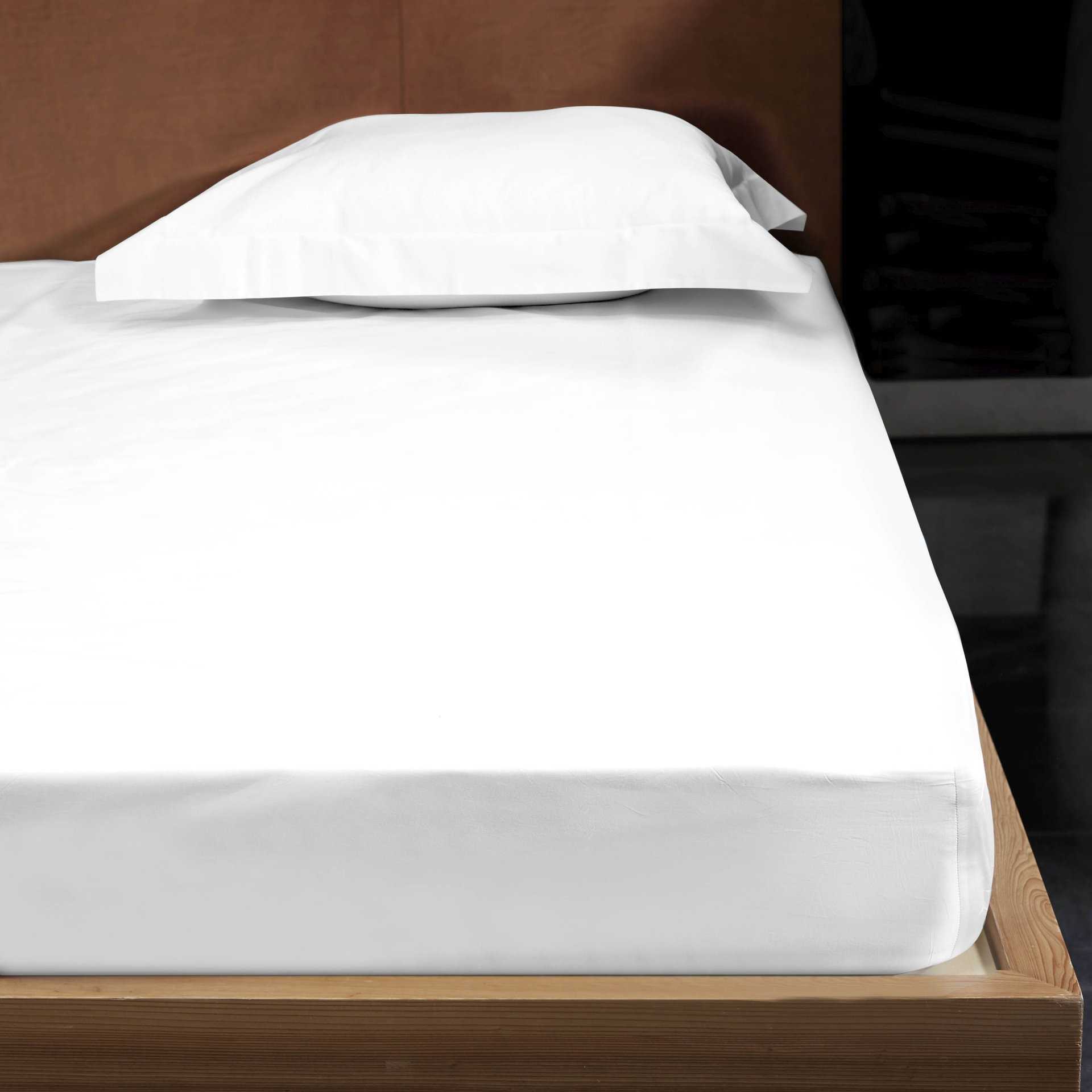
Using a pillowcase provides a removable layer between the sleeper and the pillow shell. It can help limit direct contact with everyday oils and perspiration, and it is typically simpler to wash regularly than the pillow itself. Choose a pillowcase that fits without compressing or bunching the pillow excessively; an overly tight cover can change the way a soft pillow settles beneath the head.
Care: preserving loft through patient drying
Down pillows need more than a quick wash and a brief trip through the dryer. Moisture can remain within clusters even when the outside feels dry. Incomplete drying may leave fill clumped and heavy, reducing the pillow’s evenness and inviting an unpleasant odor. The supplied care guidance for The Clean Bedroom down pillow calls for a cold, gentle machine wash with like colors, followed by low-temperature tumble drying until thoroughly dry.
Always check the current care label before cleaning. Pillow construction and care advice can vary, and the instructions on the item should take precedence over general guidance. If the label permits machine washing, a gentle cycle and a mild approach help avoid unnecessary agitation. Avoid bleach or harsh treatment unless the manufacturer expressly allows it.
- Prepare the pillow. Remove the pillowcase and inspect the shell for a tear or open seam. Do not machine-wash a damaged pillow, since loose fill may escape.
- Follow the label. Use the stated water temperature, cycle, and detergent guidance. The listed instructions for this pillow specify cold water and a gentle cycle with like colors.
- Dry slowly and completely. The product guidance specifies low-temperature tumble drying. Give the pillow sufficient time to dry through, checking and redistributing the fill as needed.
- Check for dampness and clumps. Before putting the pillow back into use, make sure the interior is thoroughly dry and the fill has regained an even distribution. If it remains damp, continue drying according to the care instructions.
- Return it to use with a clean case. A fresh pillowcase helps keep the shell cleaner between washes.
The phrase “until thoroughly dry” matters. Stopping when the shell first feels dry can leave moisture inside the fill. Low heat and patience are more useful than rushing the process with a high-temperature setting that the instructions do not recommend. If your dryer’s capacity is limited or the pillow’s label prohibits machine drying, follow the label rather than improvising.
Routine care does not necessarily mean frequent full washing. Regularly changing pillowcases, airing the pillow when appropriate, and responding promptly to spills can help limit the need for a wash. The right schedule depends on use, personal hygiene needs, and the manufacturer’s guidance. Avoid treating a generic cleaning calendar as more authoritative than the product instructions.
A simple way to assess the pillow at home
Before deciding whether a pillow is a good fit, give it a deliberate trial rather than judging it by appearance. Start with your normal sleep position and the mattress you use each night. Settle without folding or bunching the pillow, then notice whether its height and softness feel comfortable once the fill has compressed.
- Does the pillow remain high enough for your preferred sleeping position?
- Does the fill feel evenly distributed, or does it shift into an uncomfortable hollow?
- Do you wake repeatedly to adjust its position or restore its height?
- Does the pillow feel too warm, too soft, or too flat for your own comfort?
- Are its washing and drying requirements realistic for your household?
Give your impressions more than one night when practical, while following any retailer’s trial or return terms. A single evening may not reveal how a pillow behaves after the fill settles or how it works across changing sleep positions. At the same time, persistent discomfort is useful information. There is no reason to keep a pillow simply because its materials sound appealing or its initial loft looks impressive.
These observations are not a substitute for medical advice. Ongoing neck pain, numbness, or disrupted sleep can have causes beyond bedding. A pillow is a comfort choice, not a treatment. If symptoms persist or concern you, consult a qualified health professional.
A considered choice, not a universal answer
The Clean Bedroom down pillow brings together responsibly sourced, double-washed down and a down-proof organic cotton shell. Its stated character is lofty and light, with a soft feel that compresses gently beneath the head. Those qualities make it a candidate for sleepers who enjoy a pliable, cushioned pillow and are comfortable following careful washing and drying instructions.
Its appeal will depend on the match between that yielding fill and the sleeper’s preferred height. A person who wants a firm, stable platform may prefer a different construction; someone drawn to moldable softness may value down’s ability to settle and be reshaped. In either case, loft should be judged under the head, not by the pillow’s height before use.
Read the fill and shell details, look for specific information about construction and care, and pay attention to how the pillow performs in your usual sleep position. Once it is in use, protect it with a clean pillowcase and dry it completely if washed. These habits will not make every pillow a perfect fit, but they can help you choose more intelligently—and preserve the comfort a well-matched pillow offers.
In the end, a good pillow is not defined by a single material or a promise of softness. It is the one whose loft, fill, and response allow you to settle without constant adjustment, and whose care requirements fit the rhythms of your home. For down pillows, that judgment begins with understanding what happens after the loft meets the weight of a head.